
Global BESS Policy Shifts: Managing Grid Congestion and Connection Queues
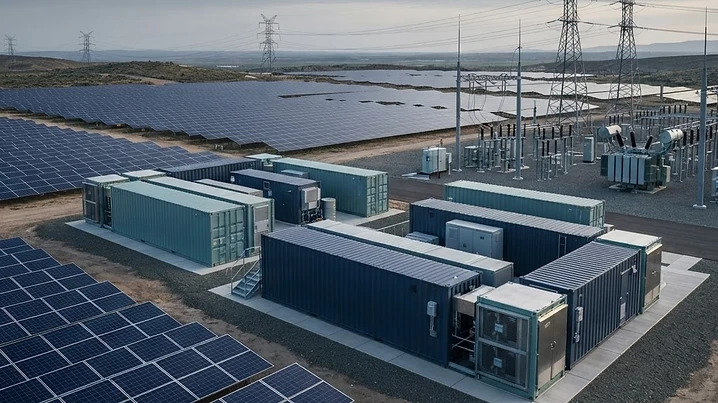
As energy storage becomes central to grid stability, regulators are moving beyond initial incentivization toward active grid management. New proposals from the CERC in India seek to introduce congestion charges for BESS projects, while UK regulators are simultaneously exploring fee structures to streamline grid connection queues as reported by PV Magazine India and Mercom India. These interventions reflect a global push to ensure that storage assets provide maximum utility without exacerbating existing grid bottlenecks.
The Shift Toward Performance Accountability
The transition from purely subsidized BESS development to a regime of operational performance costs represents a significant shift for developers. While fees for grid access may increase project entry costs, they also act as a market signal to prioritize optimal site selection, near high-demand load centers or nodes with existing capacity. Investors are increasingly looking to browse our market of screened projects to identify assets that are better positioned against these evolving regulatory headwinds.
Strategic Implications for Asset Deployment
Infrastructure owners must now factor ongoing grid-related operational levies into their long-term financial models. Beyond Maharashtra’s active procurement of 400 MWh of storage noted by Mercom India, the ability to demonstrate project viability under a 'congestion-aware' revenue model will be a key differentiator in securing debt and equity funding.
What this means for the SolarIQ market
These regulatory changes necessitate a more rigorous approach to project due diligence. Developers who proactively mitigate grid connectivity risks will find themselves in a stronger position to attract capital. As grid fees become the new standard, professional investors should shift focus toward projects that offer high grid-congestion resiliency and clear contractual protections against systemic charging regimes. Investors and developers should prepare for a more disciplined era of storage deployment where grid-alignment is the primary driver of project valuation.