
Scaling Domestic Capacity: ALMM Updates and India's Manufacturing Expansion
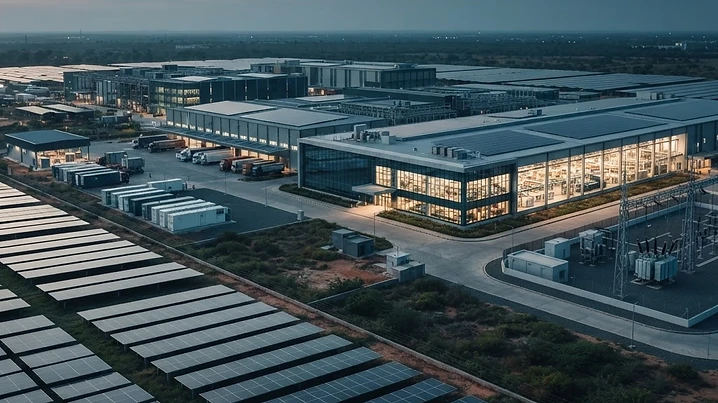
India's push for energy self-reliance is yielding tangible industrial growth, with solar cell manufacturing capacity under the ALMM-II list expanding to a substantial 45 GW as reported by Mercom India. This regulatory framework is actively shaping the upstream supply chain, bolstered by recent approvals such as GREW Solar’s 2.4 GW n-type TOPCon G12R manufacturing capacity as noted by PV Magazine India.
Strengthening Domestic Supply Chains
The consolidation of the ALMM list provides a clearer roadmap for developers to source locally compliant equipment, reducing the risks associated with imported volatility. With large-scale project announcements, such as the new bidding process for solar assets in Andhra Pradesh as highlighted by Mercom India, the ability to integrate high-efficiency components from approved domestic manufacturers becomes a critical lever for project viability and competitive bidding.
Hybrid Developments and Future-Proofing
Beyond pure manufacturing, the industry is seeing a shift toward sophisticated hybrid models. Projects like the second phase of the 315.6 MW solar-wind hybrid initiative in Agar-Malwa as reported by PV Magazine India exemplify how developers are mitigating intermittency. For those navigating these complex requirements, tracking the latest market signals is essential for aligning procurement with operational timelines.
What this means for the SolarIQ market
For project owners and investors, the growth in ALMM-compliant capacity simplifies equipment due diligence, though it mandates stricter oversight of supply chain lead times. Developers should prioritize partnerships with verified service providers to ensure that their project pipelines align with evolving national manufacturing milestones and grid integration policy.
Strategic alignment with local manufacturing capacity is now a cornerstone of long-term renewable energy project success in India.