
Scaling Solar: Policy Shifts and C&I Growth Trends
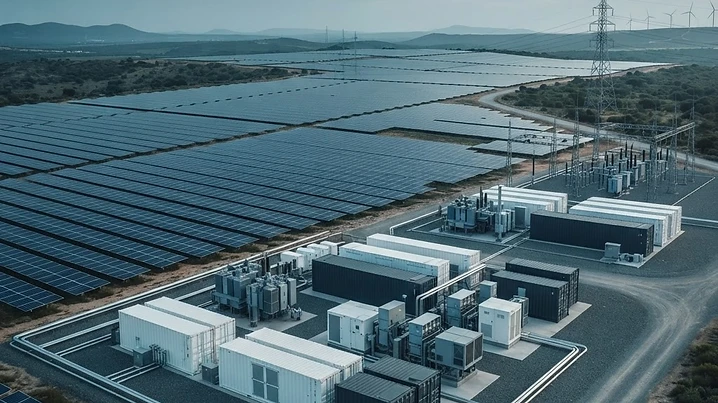
Global deployment is accelerating as governments refine auction frameworks and C&I segments discover the direct financial benefits of decentralized power generation. These shifts are creating a more transparent and accessible environment for renewable energy stakeholders.
Policy and Infrastructure Growth
Germany has successfully awarded 480 MW of solar-plus-storage capacity, signaling a strong regulatory push toward hybrid models. Simultaneously, large-scale EPC contracts, such as the 550 MWp project secured by KPI Green Energy, confirm that developers who navigate complex procurement landscapes effectively can secure significant utility-scale volume. For those active in this space, our market of solar assets remains a key resource.
Economic Incentives in C&I
Commercial energy users are increasingly utilizing rooftop solar to shield themselves from grid volatility. In regions like Andhra Pradesh, solar open access can reduce costs by ₹2.5/kWh, providing a compelling ROI for manufacturing sectors. Whether through rooftop installations for industrial facilities or broader open-access initiatives, the economic mandate for energy self-sufficiency is driving project development across the globe.
What this means for the SolarIQ market
Policy-driven auctions and cost-saving C&I opportunities are creating a two-pronged growth strategy for developers. Success now relies on combining utility-scale operational efficiency with the agility required to serve the fragmented but high-demand industrial sector. Developers and service providers should prepare for increased demand in regulatory compliance and grid-integrated storage solutions.
Solar-plus-storage hybrids are quickly becoming the industry standard for both public auctions and private industrial power strategies.