
US Solar Pricing Volatility and Market Shifts

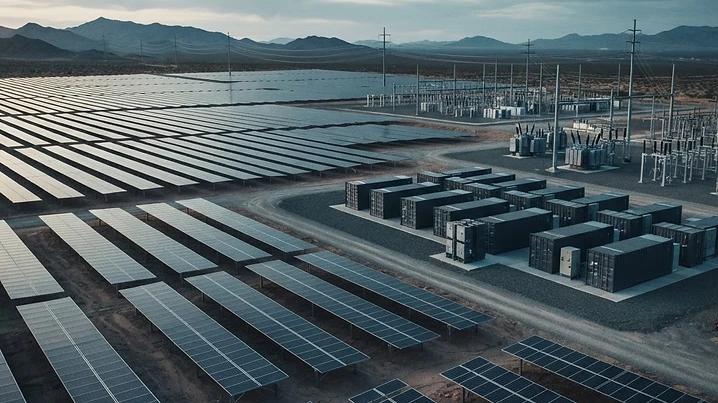
The US solar landscape is currently navigating a period of significant price adjustments. Recent Section 232 trade measures have triggered a substantial increase in solar module prices, rising by over 40% according to Mercom India. Concurrently, broader market data indicates that while residential solar costs are trending downward, utility-scale and Commercial and Industrial (C&I) project pricing is on an upward trajectory as reported by PV Magazine.
Navigating Cost Fluctuations
These diverging cost structures complicate long-term project viability models. Developers focusing on utility-scale assets must now reconcile higher hardware procurement costs with existing financing structures. This uncertainty reinforces the need for developers to maintain visibility across the broader project landscape to manage risk effectively. Meanwhile, the sector is also grappling with broader macroeconomic pressures, highlighted by a reported loss of nearly 37,000 jobs within the US clean energy sector in 2025 per Mercom India.
What this means for the SolarIQ market
For investors and developers, this volatile pricing environment underscores the necessity of robust due diligence and flexible capital strategies. As hardware costs spike for large-scale developments, project owners should engage with specialist service providers to optimize balance-of-system costs and project delivery timelines. Navigating these headwinds requires a clear understanding of current asset valuations and procurement risks to ensure long-term portfolio stability. Investors must adapt their underwriting criteria to reflect these changing market realities while prioritizing projects with strong fundamental economics.